Rail freight essential for Europe’s resilience
In a time of increasing geopolitical tensions and growing pressure on logistics chains, the importance of rail freight is becoming more evident. During the Rail Freight Conference 2026, discussions with representatives from defence, ports and logistics made it clear that rail is not only relevant for commercial flows, but also plays a critical role in the operational readiness of countries and their allies.
Lieutenant General Jan-Willem Maas, Commander of the Defence Support Command (DOSCO), put it clearly:
“The military sees rail as a second army, given its crucial role in moving equipment and supporting operations.”
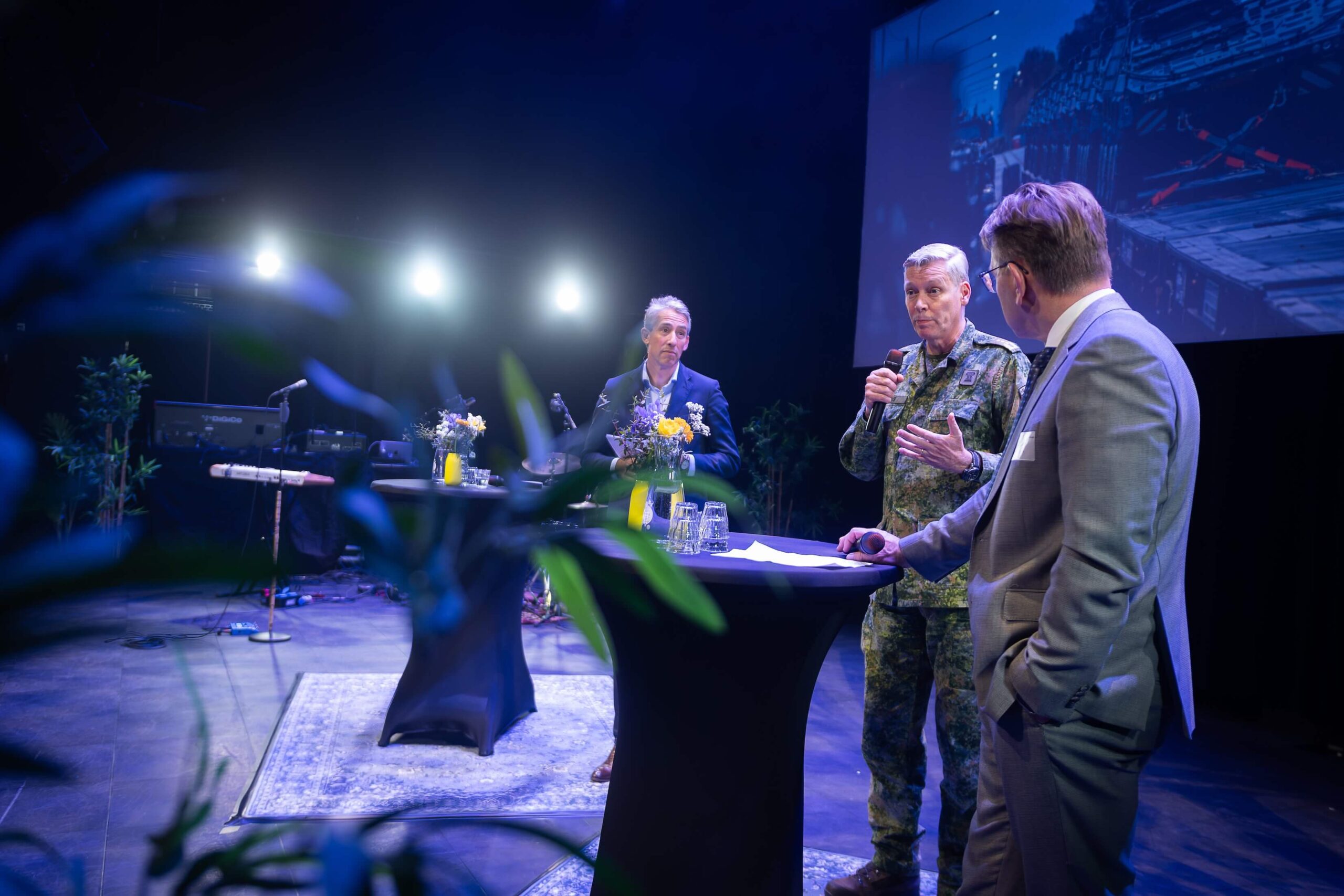
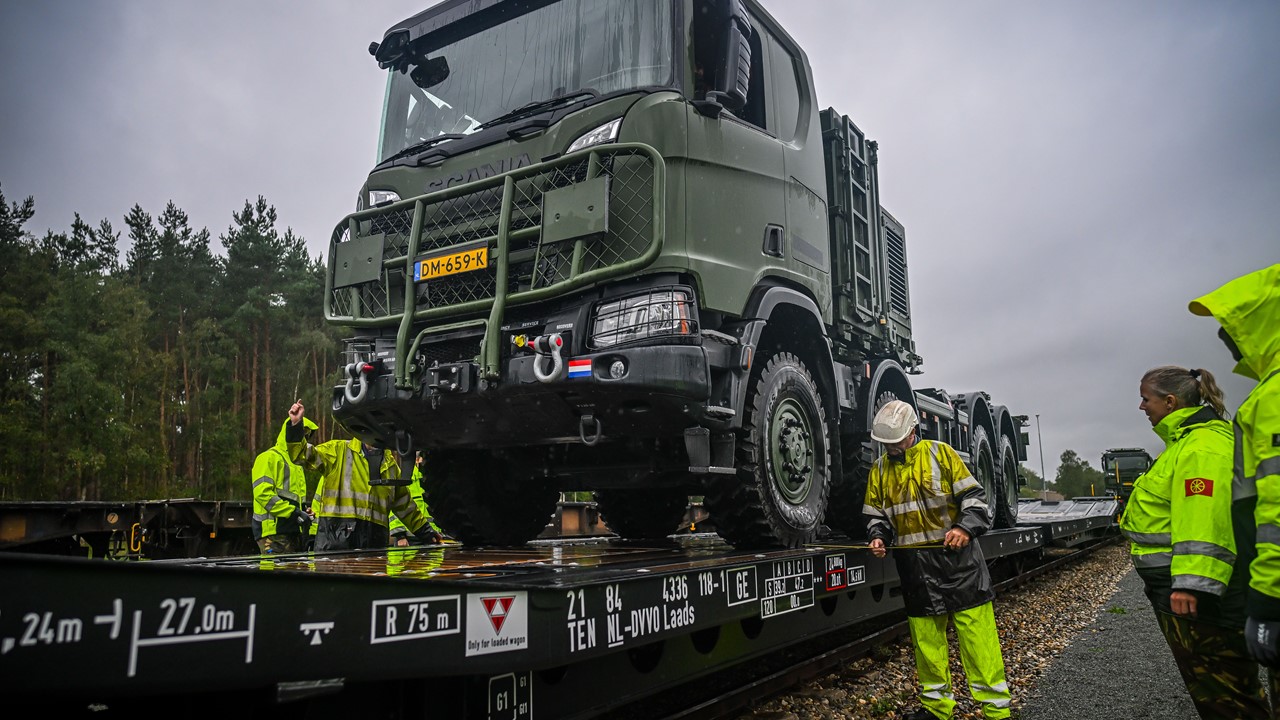
This observation reflects a broader development. Across Europe, attention for military mobility is increasing, driven by the changing security landscape. The ability to move troops and equipment quickly and reliably is essential. Rail plays a key role in this, particularly due to its capacity, scalability and efficiency over longer distances.
Policy developments reflect this shift as well. The Dutch government is working on measures to prioritise military transport on the rail network, ensuring that sufficient capacity is available in urgent situations. This aligns with broader European developments, where infrastructure is increasingly approached from a ‘dual-use’ perspective: systems that can be used for both civilian and military purposes.
Ports play a crucial role in this context. During the conference, Cas König, CEO of North Sea Port, emphasised the importance of a well-functioning connection between port and hinterland:
“The ability to move equipment and troops quickly depends to a large extent on the availability and reliability of the rail network, especially in a context of increasing geopolitical tensions.”
“The infrastructure is truly designed for this. In Vlissingen, we have rail tracks directly alongside the quay, allowing equipment to be transferred straight from ship to train without intermediate storage. This significantly speeds up the process. At the same time, facilities are continuously available for Defence. It shows how closely we cooperate and how logistics are organised to respond quickly.”
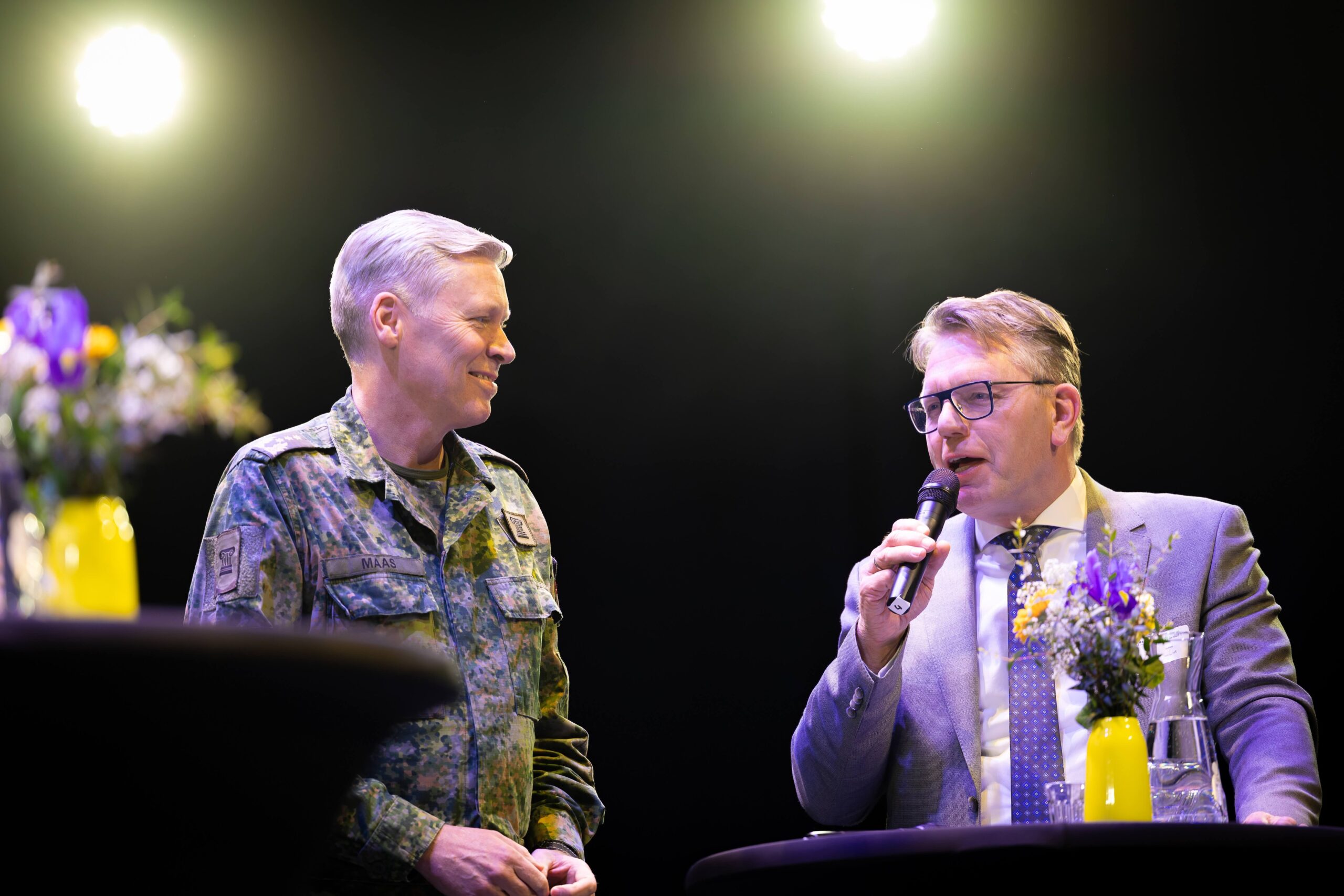
Within international agreements on Host Nation Support, ports play a key role in facilitating military logistics. This means that flows — both civilian and military — must move efficiently towards the hinterland. Rail is an essential link in this system. Without sufficient capacity and reliability, this role immediately comes under pressure.
At the same time, the rail system itself is under strain. Large-scale infrastructure works, capacity constraints and increasing demand make it more complex to manage flows efficiently. This requires better coordination between countries, infrastructure managers and market parties.
That is why cooperation is becoming increasingly important — not only within the sector, but also between public and private stakeholders. As Maas emphasised during the conference:
“Cooperation between civilian and military parties is essential to operate quickly and reliably in times of crisis.”
The challenge is not only about investment, but also about making choices. Where should capacity be allocated? How are priorities determined? And how do you ensure the system continues to function under pressure?
Maas also addressed what resilience means in practice for organisations and logistics chains. According to him, it is not only about capacity, but about the ability to continue operating under disruption:
“The question you need to ask is: can your organisation continue to function if something fails — for 72 hours or longer? If not, you need to redesign your system.”

Stay informed
Stay updated on all our events, news, and updates. Sign up for the monthly Rail News(letter).